Every Gastonia driver pays the pothole tax sooner or later. Some pay it in a single loud moment, a bent rim and a tire gone flat by the next exit. More pay it slowly: an alignment shifted by a fraction of a degree, wearing tires for months before anyone connects the wear to that one hard hit in February. Winter and early spring are peak pothole season in the Piedmont, when water, freezing nights, and worn pavement work together.
This seasonal checklist from Wink's Front End Shop covers what an impact can damage, the symptoms that show up in the following weeks, and what to check in order before the slow version of the bill arrives.
What a hard hit actually does
A pothole edge strikes a tire at speed with the car's weight behind it. The tire can be pinched between the edge and the wheel, cutting the sidewall internally in what is called a pinch shock, sometimes raising a bulge days later. The wheel, especially a low-profile alloy, can bend at the lip or crack. Behind the wheel, the impact travels into tie rod ends, ball joints, strut mounts, and wheel bearings, and it can knock toe out of specification in a single event. The damage list runs from visible to invisible, which is why a car that seems fine leaving the scene deserves a structured check rather than a shrug.
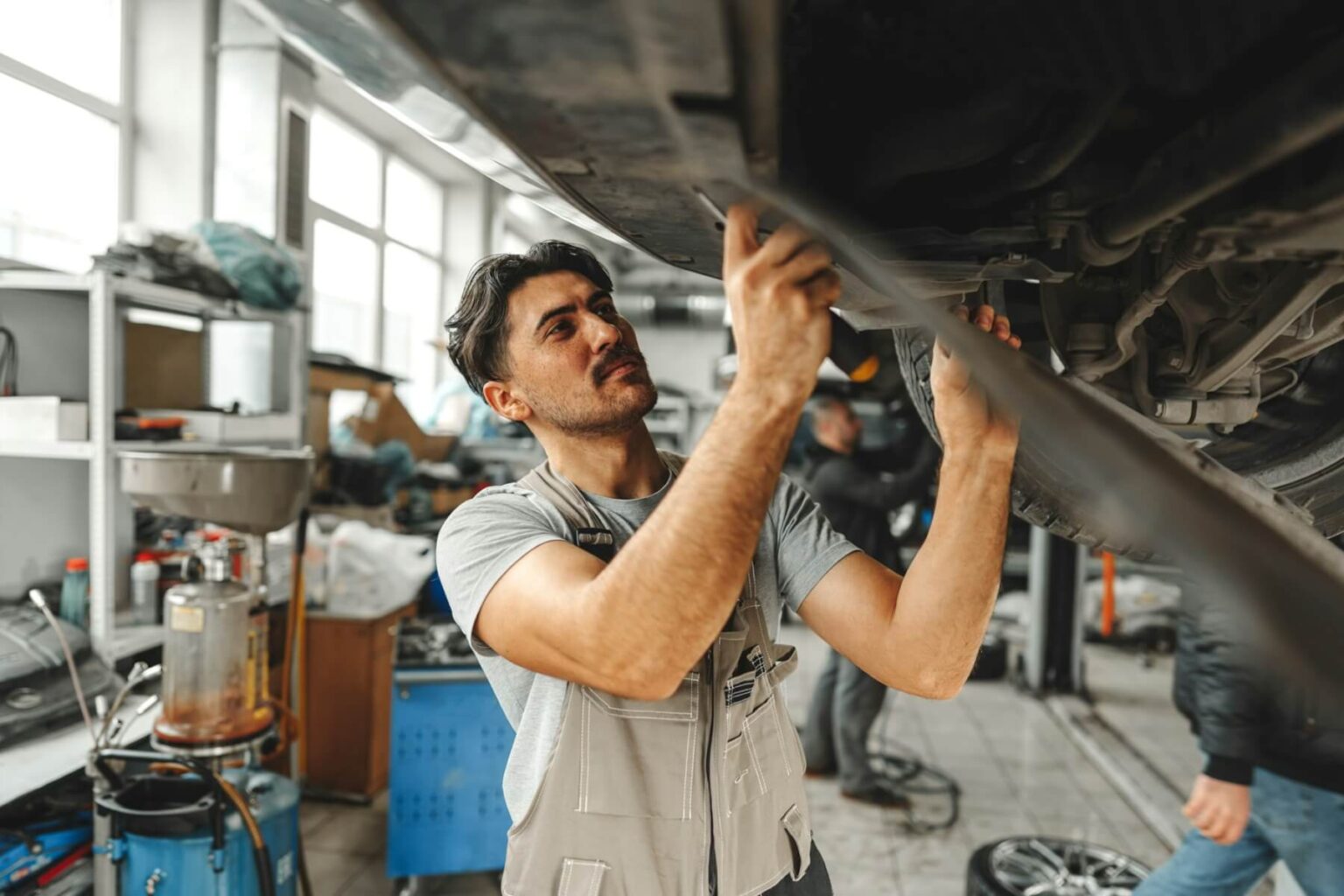
The post-impact seasonal checklist
Work this list after any hard pothole hit
- Same day: check pressures and look at both sidewalls, inner and outer, for bulges, cuts, or a slow leak starting. A bulge means the tire is finished, even if it holds air.
- First drive: on a flat, quiet road, note any new pull, a steering wheel now off center, or vibration in a speed band. Each maps to a different kind of damage.
- First week: inspect the wheel lip for bends or cracks and watch for pressure loss that suggests a bent rim is leaking at the bead.
- First month: measure front tread at both edges. New one-edge wear after an impact means toe shifted and is spending the tire now.
- Any season: listen for a new hum that rises with speed, which can be a wheel bearing bruised by the hit and failing on a delay.
- Before winter returns: have alignment measured and the front end inspected if any item above appeared, rather than carrying hidden damage into the next pothole season.
- Keep the details: when and roughly how hard the hit was. That history helps a shop separate impact damage from ordinary wear.
Why late winter is the dangerous season
Potholes form when water seeps into pavement cracks, freezes and expands on cold nights, and thaws into weakened asphalt that traffic then breaks up. The Piedmont's freeze and thaw cycles are less severe than northern winters but frequent, and heavy rain does similar work on its own. The worst holes often sit full of water after a storm, hiding their depth completely. Slowing for standing water on a familiar road feels overcautious until the first hidden edge. Spring road repairs close many holes, but the alignment shifted in February does not heal with the asphalt, which is the argument for a spring front-end check as routine seasonal maintenance in Gastonia.
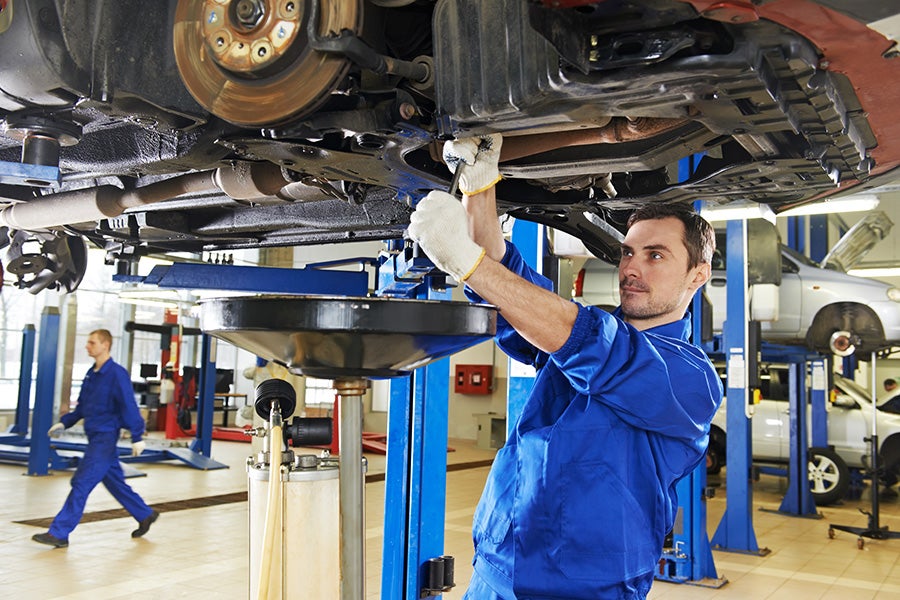
Prevention that is actually in your control
Correct tire pressure is the cheapest armor: a properly inflated tire has more ability to absorb an edge than a soft one, which bottoms out against the wheel. Leaving following distance on wet roads buys sight of the holes ahead, and easing off the brake at the moment of an unavoidable hit lets the wheel roll over the edge instead of being driven into it locked. None of this makes a driver immune. It lowers the tax. The rest is the checklist above, done promptly, so one bad hole costs an inspection rather than a season of tires.
Common questions
Can one pothole really knock out my alignment?
Yes. A hard edge strike can bend a tie rod slightly or shift an adjustment, changing toe enough to wear tires. The car may still drive almost normally, which is why measurement matters.
My tire looks fine after a big hit. Should I still worry?
Watch it for a week or two. Pinch damage can show up as a bulge or slow leak days later as the internal cords fail. Any bulge means the tire must be replaced.
Is a bent rim repairable or a replacement?
Minor bends in alloy wheels can sometimes be straightened by specialists, while cracks are generally a replacement call for safety. A shop can spin the wheel and show you the runout.
Photos in this guide are representative stock images.
← All guides from Wink's Front End Shop← Back to Wink's Front End Shop