Tires keep receipts. Every mile of misalignment, soft pressure, or worn suspension is written into the tread in a pattern a driver can read with a fingertip, long before the tire is ruined. Learning the four classic patterns turns a glance in a Gastonia parking lot into a decision: adjust a habit, book an alignment, or start planning for parts.
This decision guide from Wink's Front End Shop puts each wear pattern beside its likely cause and the right next move, so the report your tires are already giving you stops going unread.
How to read a tire in two minutes
Kneel where you can see across the tread, not just down at it. Compare the inner edge, center, and outer edge for depth, using a quarter in the grooves if you want a measure. Then run your palm flat across the tread in both directions. Your hand detects feathering and cupping that your eyes miss. Do all four tires, because the comparison is half the information: front tires steer and, on many cars, drive, so they wear differently from rears by design, while left and right on the same axle should look like siblings. A single tire wearing unlike its partner is the loudest report of all.
The patterns and the decisions they call for
| Pattern | What it looks like | Likely cause | Decision |
|---|---|---|---|
| Center wear | Middle of tread worn, edges healthy | Chronic overinflation shrinking the contact patch to the center | Correct pressure to the placard figure, monitor; no parts needed if caught early |
| Both edges worn | Shoulders worn, center stands proud | Chronic underinflation, the tire rides on its shoulders | Inflate correctly, check for a slow leak, inspect shoulders for damage |
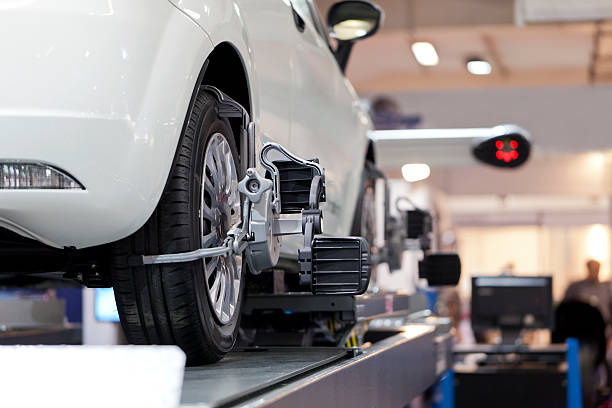
| One edge worn | Inner or outer edge smooth while the rest has depth | Camber or toe out of specification, or worn or bent parts | Book an alignment inspection; a new tire without it will wear identically |
| Feather wear | Blocks sharp on one side, smooth on the other, felt by hand | Toe error dragging the tread sideways each mile | Alignment soon; feathering progresses quickly once established |
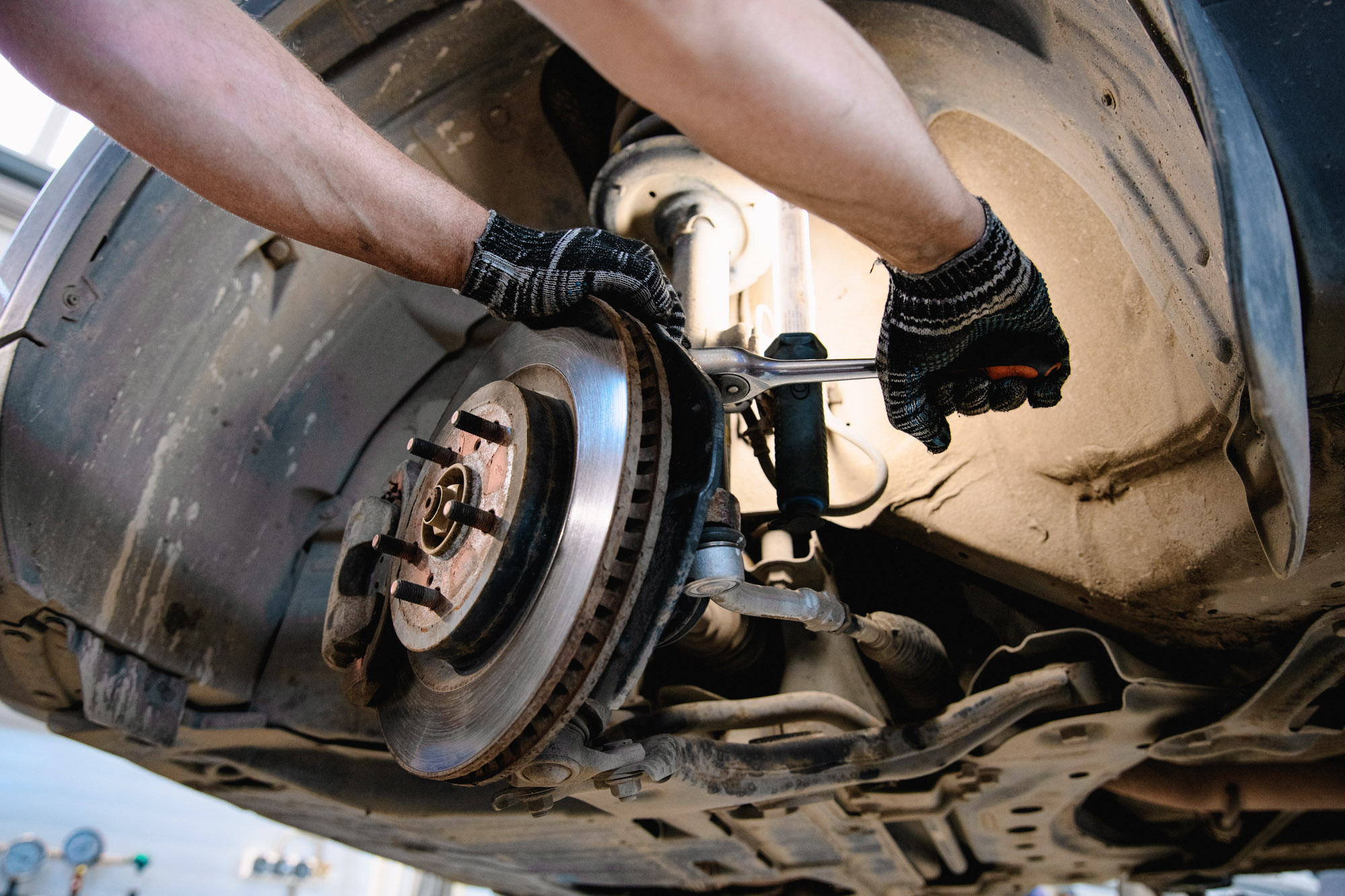
| Cupping | Scalloped dips around the circumference, often with a hum | Worn shocks or struts letting the tire bounce, or imbalance and loose parts | Suspension inspection first; alignment after the bouncing is fixed |
Patterns that talk about habits, not parts
Not every report indicts the car. Fast, even wear on a performance tire is simply its design life. Front tires wearing faster than rears on a front-wheel-drive car is normal bookkeeping, answered by rotation on schedule. Wear that appears right after a long, heavily loaded trip, with pressures never raised for the load, is a pressure story. Reading wear well means asking what changed: a new commute on Gastonia highways, a skipped rotation, a pothole strike last winter. The pattern names the mechanism, and the timeline usually names the trigger.
When the report says act now
Any pattern down to the wear bars, exposed cord, or a bulge in the sidewall ends deliberation: that tire is done and possibly unsafe. Short of that, one-edge and feather wear deserve the fastest appointments, because they continue at full speed every mile and will claim a replacement tire too if the geometry is not corrected. Cupping asks for parts inspection before tires, since a new tire on a dead strut cups in short order. Center and shoulder wear, caught early, are the happy cases: the fix is air, attention, and a gauge in the glove box.
Depth numbers give the patterns context. New passenger tires commonly start around 10/32 to 12/32 inch of tread, wear bars appear at 2/32, and most of the patterns above become obvious well before that limit if you look monthly. A tire can also show two patterns at once: shoulders worn from soft pressure on a wheel whose toe is also out will tell both stories in layers. Read the strongest signal first, fix its cause, and then watch whether the second pattern stops progressing. Wear already in the rubber never reverses, but a corrected car stops writing new chapters in the tread.
Common questions
What does wear on the inside edge mean?
Usually camber or toe out of specification, or worn suspension parts letting the wheel lean and drag. It calls for an alignment inspection, not just a replacement tire.
Can I feel cupping before I see it?
Yes. Cupping often announces itself as a rhythmic hum or vibration that rises with speed, and your palm across the tread will feel the scalloped dips.
My front tires wear faster than the rears. Is that a problem?
On front-wheel-drive cars it is normal, because the fronts steer, drive, and carry the engine. Regular rotation evens the rates so the set ages together.
Photos in this guide are representative stock images.
← All guides from Wink's Front End Shop← Back to Wink's Front End Shop