A car that pulls to one side sends most drivers straight to one conclusion: the alignment is out. Sometimes it is. Often enough, though, the alignment is innocent, and adjusting it to chase a pull caused by something else leaves the car with both the original problem and a fresh misalignment. In Gastonia, a good front-end diagnosis separates the causes before anyone turns an adjuster.
At Wink's Front End Shop, the pull conversation starts with the myths. Here they are, sorted into true, false, and it-depends, with the tests that settle each one.
The suspects beyond alignment
Tires cause pulls more often than drivers expect. A tire with conicity, a slight cone shape built into its construction or developed with wear, generates its own sideways force, so a car can pull with perfect alignment numbers. A quick test is swapping the front tires side to side: if the pull reverses or vanishes, the tires were talking. Brake drag is another classic. A caliper or hose that keeps one front brake lightly applied slows that wheel and steers the car toward it, usually with heat and a hot brake smell as accomplices. Road crown, the slope built into roads for drainage, makes every car drift gently toward the shoulder, which is normal and reverses when you drive the other direction on the same stretch.
Uneven tire pressures, mismatched tire sizes or models on an axle, a bent wheel, and worn steering parts round out the usual list. Each one imitates misalignment closely enough to fool a guess.
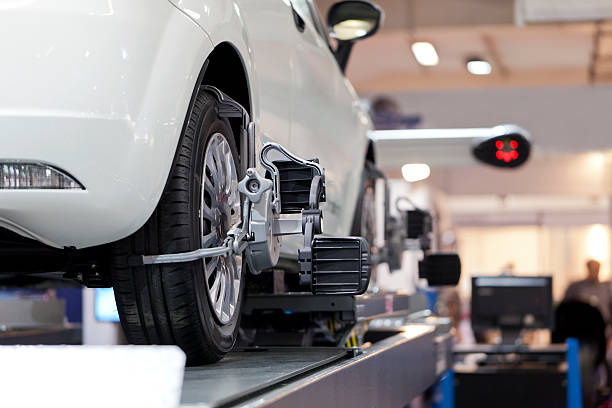
Myths and facts, sorted
| Claim | Verdict | What settles it |
|---|---|---|
| A pull always means the alignment is out | False | Tire conicity, brake drag, pressures, and road crown all pull with alignment in spec |
| If it pulls right on every road, it is just road crown | False | Crown drift is gentle and flips direction with the road; a true pull follows the car |
| Swapping front tires side to side is a real diagnostic test | True | If the pull changes sides or disappears, a tire was generating the force |
| A dragging brake can pull like bad alignment | True | One slow wheel steers the car, and the hot wheel after a drive gives it away |
| Aligning the car will cure a tire-caused pull | False | Compensating with angles masks it briefly and adds uneven tire wear to the bill |
| Low pressure on one side can cause a pull | True | The soft tire has more rolling resistance and a smaller radius, so the car drifts toward it |
A sensible order of diagnosis
Start free: set all pressures to the placard figure, confirm matching tires on each axle, and test on a flat, quiet road in both directions. Note whether the pull changes with braking, which points at brakes, or with speed, which points at tires. Then the shop work: inspect for a dragging caliper and bent or damaged parts, swap front tires to isolate conicity, and only then read the alignment angles as the remaining suspect. This order costs little and prevents the most frustrating outcome in front-end work, an aligned car that still pulls because the cause was never in the angles.
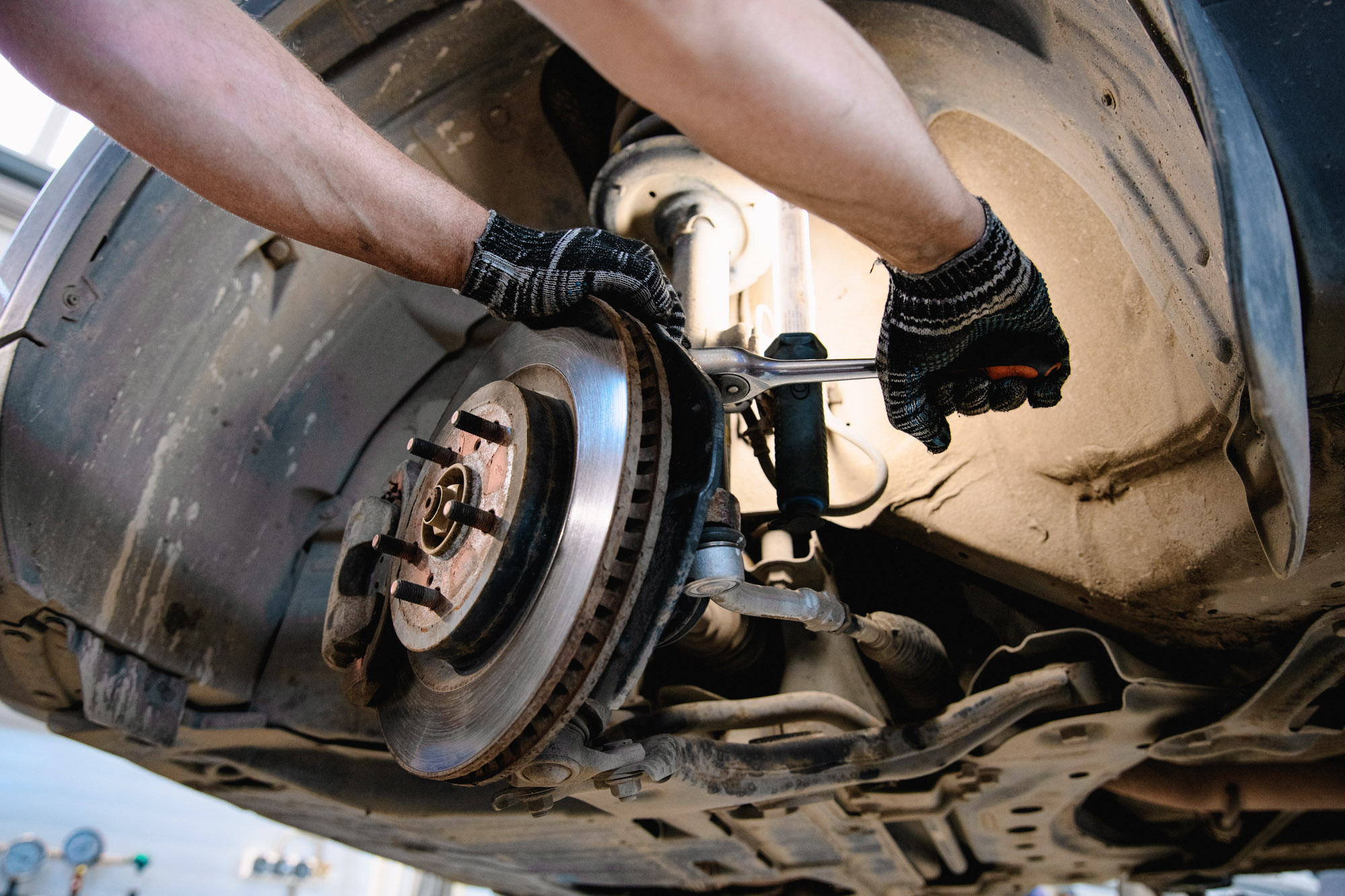
When it really is the alignment
If the tires, pressures, and brakes clear, the angles usually confess. A camber split between sides, where one wheel leans more than the other, pulls toward the side with the more positive camber. A caster split pulls toward the side with less caster. Both patterns are measurable and adjustable, and a printout showing them out of specification alongside a matching pull is a clean diagnosis. The point of the myth sorting is not that alignment is rarely the cause. It is that alignment should be proven the cause, because it is the one suspect drivers pay to adjust, and proof takes less time than a second visit for the same persistent pull.
Common questions
How can a tire make a car pull on its own?
Through conicity, a slight cone effect in the tire's construction or wear that generates sideways force as it rolls. Swapping the front tires side to side is the standard test.
Is a gentle drift to the right normal?
On a crowned road, yes. Roads slope for drainage, so a mild drift toward the shoulder that reverses on the opposite carriageway is normal and not a fault.
Should I get an alignment first just in case?
Pressures, tire condition, and brake drag should be checked first or at the same visit. Adjusting angles to mask another cause adds tire wear without fixing the pull.
Photos in this guide are representative stock images.
← All guides from Wink's Front End Shop← Back to Wink's Front End Shop