New ball joints, fresh control arms, a set of struts: the parts are in and the clunk is gone, and the car still does not feel right. It drifts a little on the Gastonia highway, the steering wheel sits a few degrees off center, and within a few thousand miles the front tires start wearing on one edge. The missing step is almost always the same. Suspension work moves the geometry, and only a fresh alignment sets it back where it belongs.
At Wink's Front End Shop, alignment after suspension work is treated as part of the job rather than an extra. This troubleshooting walkthrough starts from the symptoms drivers notice and works back to why they happen.
Why new parts move the angles
Wheel alignment is three angles, toe, camber, and caster, measured in fractions of a degree. Those angles depend entirely on where the suspension parts hold the wheel. Replace a tie rod end, a control arm, a strut, or a ball joint, and even a part made exactly to specification mounts with small differences from the worn part it replaced. The old part had play the alignment had quietly been compensating for. Add the fact that many components must be loosened or removed just to reach the one being replaced, and the geometry a car leaves a suspension job with is essentially unsettled until it is measured and adjusted on a rack.
Parts also settle. New bushings compress in their first miles, ride height can shift slightly on new springs or struts, and that moves camber and toe again by small but real amounts. That is why a careful shop either aligns as the final step of the repair or, for major spring work, advises a short settle period and then the alignment.
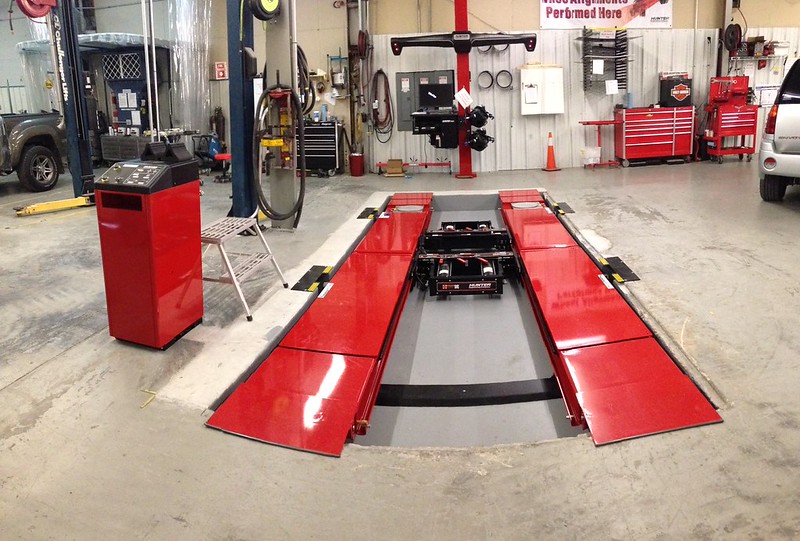
Troubleshooting the post-repair symptoms, step by step
- Steering wheel off center on a straight road: the classic sign that toe was changed on one side during the repair, often after a tie rod end. It needs an alignment, not just a wheel re-centering.
- Pull or drift that was not there before: compare it on both directions of the same road to rule out road crown, then suspect camber or caster now split unevenly side to side.
- New edge wear appearing within a few thousand miles: measure tread depth at both edges of each front tire. Fresh one-sided wear after parts work means the angles are eating the tire now, not before.
- Vague or overly light steering feel: caster may have shifted with a strut or control arm change, reducing the self-centering feel the driver was used to.
- A clunk or pop that remains after the parts that should have fixed it: have the work rechecked for torque and fit before aligning, because aligning around a loose part wastes the alignment.
- Once the hardware is confirmed sound, get the four-wheel measurement, adjust to specification, and road test. The printout before and after is your record that the job is actually finished.
Which jobs demand it, and which can wait
Any repair that disturbs a tie rod, steering rack, control arm, strut, ball joint, or subframe calls for an alignment check at minimum, and usually an adjustment. Wheel bearings and brake work that does not touch suspension mounting points generally do not change geometry, though a hub replacement on some designs can. When in doubt, the measurement itself is the answer: a check on the rack shows in minutes whether the angles survived the repair inside specification or not. Guessing by feel misses slow tire wear, which is the most expensive symptom to discover late.
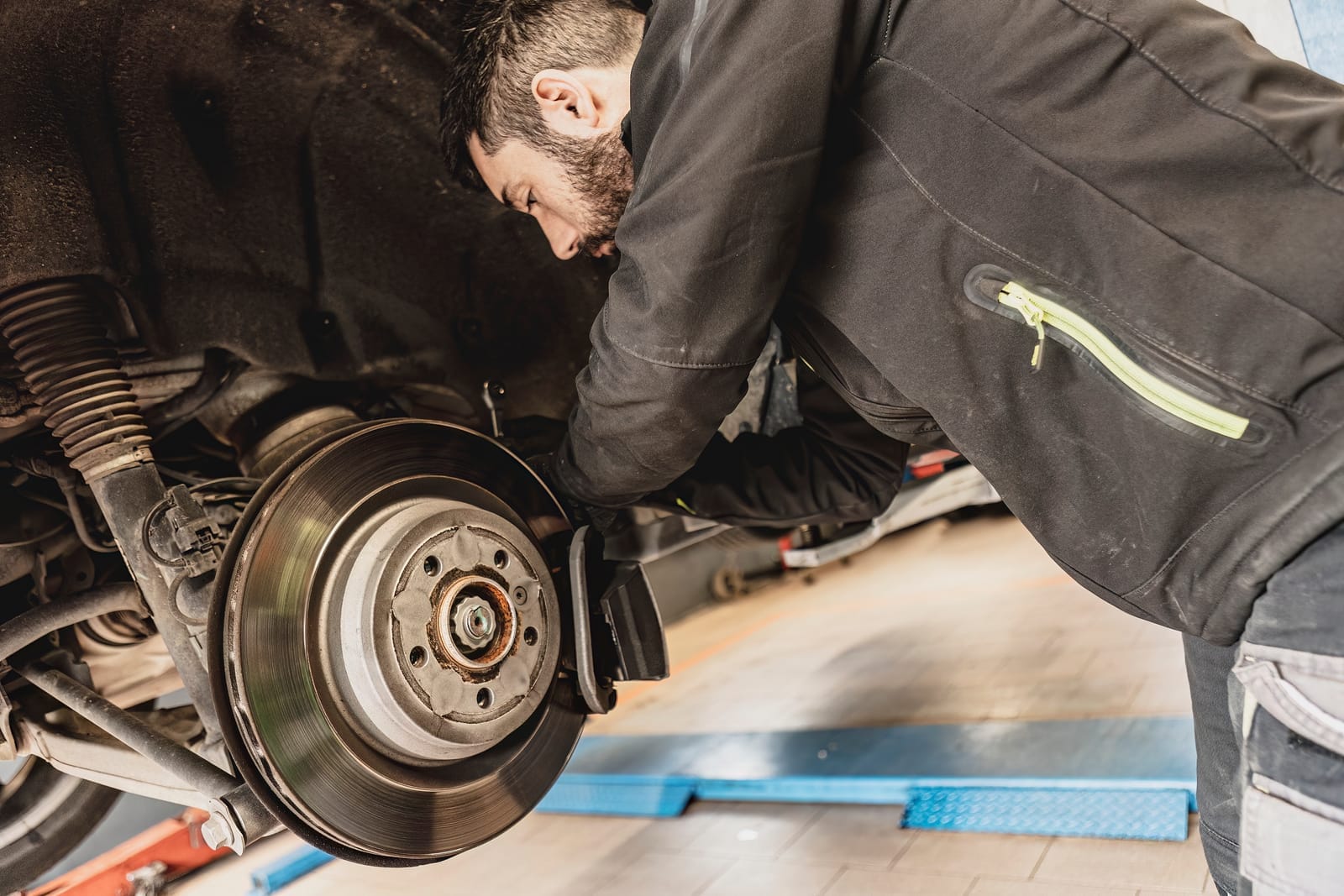
The tire bill for skipping it
Toe out of specification by a small amount drags a tire sideways with every mile, and front tires can lose a large share of their life in a single season of Gastonia commuting while the driver notices nothing but a slightly crooked wheel. That is the whole argument in one sentence: the alignment is cheap in time compared with a pair of tires, and it is the step that makes the expensive new parts deliver the handling they were bought for. Treat the repair and the alignment as one job with two halves, and budget and schedule them together from the start.
Common questions
Do I really need an alignment after replacing struts?
Yes, as a rule. Struts locate the wheel and often carry the camber adjustment, so replacing them changes the geometry. A measurement confirms the new angles and an adjustment sets them right.
How soon after suspension work should the alignment be done?
As the final step of the repair in most cases. For work involving new springs, a shop may advise a brief settle period first, then the alignment, but it should not drift into next season.
Can I judge alignment by how the car feels?
Feel catches gross problems, but small toe errors wear tires fast while feeling almost normal. Only a rack measurement shows the angles in numbers against specification.
Photos in this guide are representative stock images.
← All guides from Wink's Front End Shop← Back to Wink's Front End Shop